

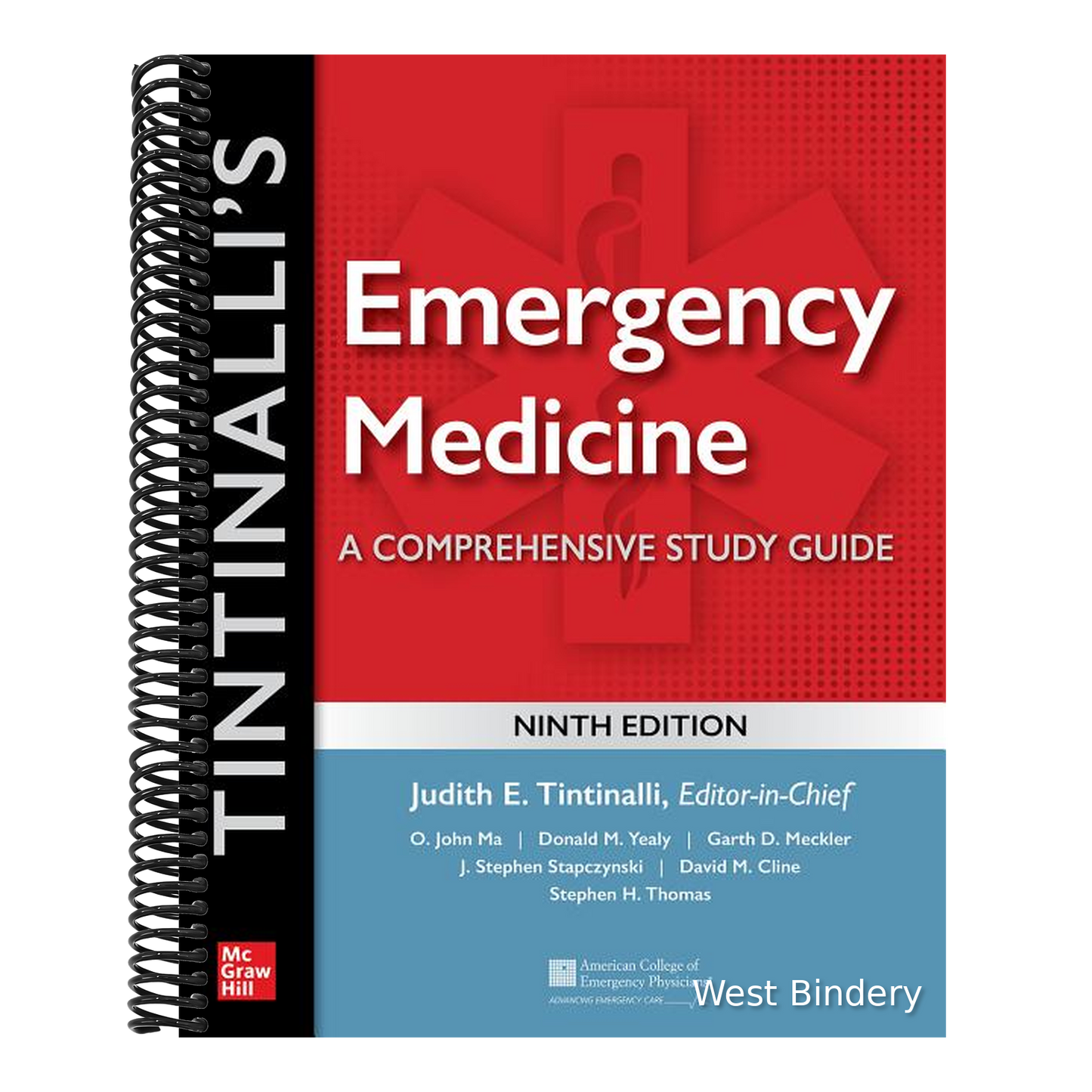
Tintinalli's Emergency Medicine: A Comprehensive Study Guide, 9th Edition
Tintinalli's Emergency Medicine: A Comprehensive Study Guide, 9th Edition
Biographical Note: Judith E. Tintinalli, MD, MS is Professor and Chair, Department of Emergency Medicine and Adjunct Professor in the Department of Health Policy and Administration at the University of...
Vendor
McGraw Hill / MedicalType
Print BooksBinding
Spiral BoundCouldn't load pickup availability
People are viewing this right now
Details
Shipping & Returns
Reviews (0)
FAQ
|
Biographical Note: Judith E. Tintinalli, MD, MS is Professor and Chair, Department of Emergency Medicine and Adjunct Professor in the Department of Health Policy and Administration at the University of North Carolina at Chapel Hill. J. Stephan Stapczynski, MD is Chair, Emergency Medicine Department, Chief of Medical Staff, Maricopa Medical Center. O. John Ma, MD is Professor and Chair of the Department of Emergency Medicine at Oregon Health & Science University. David M. Cline, MD is Professor of Emergency Medicine at Wake Forest University School of Medicine. Garth D. Meckler, MD Assistant Section Chief and Fellowship Director, Pediatric Emergency Medicine, Oregon Health & Science University. Donald M. Yealy, MD is Chair of Emergency Medicine, University of Pittsburgh. Table of Contents: Contributors Pharmacy Reviewers Preface Section 1. Prehospital Care 1. Emergency Medical Services 2. Prehospital Equipment 3. Air Medical Transport 4. Mass Gatherings Section 2. Disaster Management 5. Disaster Preparedness 6. Natural Disasters 7. Bomb, Blast, and Crush Injuries 8. Chemical Disasters 9. Bioterrorism 10. Radiation Injuries Section 3. Resuscitation 11. Sudden Cardiac Death 12. Approach to Nontraumatic Shock 13. Approach to Traumatic Shock 14. Allergy and Anaphylaxis 15. Acid-Base Disorders 16. Blood Gases, Pulse Oximetry, and Capnography 17. Fluids and Electrolytes 18. Cardiac Rhythm Disturbances 19. Pharmacology of Antiarrhythmics and Antihypertensives 20. Pharmacology of Vasopressors and Inotropes 21. Hyperbaric Oxygen Therapy Section 4. Resuscitative Procedures 22. Basic Cardiopulmonary Resuscitation 23. Defibrillation and Electrical Cardioversion 24. Cardiac Resuscitation 25. Resuscitation in Pregnancy 26. Post-Cardiac Arrest Syndrome 27. Ethical Issues of Resuscitation 28. Noninvasive Airway Management and Supraglottic Airways 29A Tracheal Intubation 29B Mechanical Ventilation 30. Surgical Airways 31. Vascular Access 32. Hemodynamic Monitoring 33. Cardiac Pacing and Implanted Defibrillation 34. Pericardiocentesis Section 5. Analgesia, Anesthesia, and Procedural Sedation 35. Acute Pain Management 36. Local and Regional Anesthesia 37. Procedural Sedation and Analgesia in Adults 38. Chronic Pain Section 6. Wound Management 39. Wound Evaluation 40. Wound Preparation 41. Wound Closure 42. Face and Scalp Lacerations 43. Arm, Forearm, and Hand Lacerations 44. Thigh, Leg, and Foot Lacerations 45. Soft Tissue Foreign Bodies 46. Puncture Wounds and Bites 47. Postrepair Wound Care Section 7. Cardiovascular Disease 48. Chest Pain 49. Acute Coronary Syndromes 50. Cardiogenic Shock 51. Low-Probability Acute Coronary Syndrome 52. Syncope 53. Acute Heart Failure 54. Valvular Emergencies 55. Cardiomyopathies and Pericardial Disease 56. Venous Thromboembolism Including Pulmonary Embolism 57. Systemic Hypertension 58. Pulmonary Hypertension 59. Aortic Dissection and Related Aortic Syndromes 60. Aneurysmal Disease 61. Arterial Occlusion Section 8. Pulmonary Disorders 62. Respiratory Distress 63. Hemoptysis 64. Acute Bronchitis and Upper Respiratory Tract Infections 65. Community-Acquired Pneumonia, Aspiration Pneumonia, and Noninfectious Pulmonary Infiltrates 66. Lung Empyema and Abscess 67. Tuberculosis 68. Pneumothorax 69. Acute Asthma and Status Asthmaticus 70. Chronic Obstructive Pulmonary Disease Section 9. Gastrointestinal Disorders 71. Acute Abdominal Pain 72. Nausea and Vomiting 73. Disorders Presenting Primarily With Diarrhea 74. Constipation 75. Upper Gastrointestinal Bleeding 76. Lower Gastrointestinal Bleeding 77. Esophageal Emergencies 78. Peptic Ulcer Disease and Gastritis 79. Pancreatitis and Cholecystitis 80. Hepatic Disorders 81. Acute Appendicitis 82. Diverticulitis 83. Bowel Obstruction 84. Hernias 85. Anorectal Disorders 86. Gastrointestinal Procedures and Devices 87. Complications of General Surgical Procedures Section 10. Renal and Genitourinary Disorders 88. Acute Kidney Injury 89. Rhabdomyolysis 90. End-Stage Renal Disease 91. Urinary Tract Infections and Hematuria 92. Acute Urinary Retention 93. Male Genital Problems 94. Urologic Stone Disease 95. Complications of Urologic Procedures and Devices Section 11. Obstetrics and Gynecology 96. Abnormal Uterine Bleeding 97. Abdominal and Pelvic Pain in the Nonpregnant Female 98. Ectopic Pregnancy and Emergencies in the First 20 Weeks of Pregnancy 99. Comorbid Disorders in Pregnancy 100. Maternal Emergencies After 20 Weeks of Pregnancy and in the Peripartum Period 101. Emergency Delivery 102. Vulvovaginitis 103. Pelvic Inflammatory Disease 104. Breast Disorders 105. Complications of Gynecologic Procedures Section 12. Pediatrics 106. Emergency Care of Children 107. Neonatal and Pediatric Transport 108. Resuscitation of Neonates 109. Resuscitation of Children 110. Pediatric Trauma 111. Minor Head Injury and Concussion in Children 112. Cervical Spine Injury in Infants and Children 113. Intubation and Ventilation of Infants and Children 114. Vascular Access in Infants and Children 115. Pain Management and Procedural Sedation for Infants and Children 116. Neonatal Emergencies and Common Neonatal Problems 117. Brief Resolved Unexplained Events and Apparent Life-Threatening Events 118. Sudden Infant Death Syndrome 119. Fever and Serious Bacterial Illness in Infants and Children 120. Meningitis in Infants and Children 121. Ear and Mastoid Disorders in Infants and Children 122. Eye Emergencies in Infants and Children 123. Nose and Sinus Disorders in Infants and Children 124. Mouth and Throat Disorders in Infants and Children 125. Neck Masses in Infants and Children 126. Stridor and Drooling in Infants and Children 127. Wheezing in Infants and Children 128. Pneumonia in Infants and Children 129. Congenital and Acquired Pediatric Heart Disease 130. Syncope, Dysrhythmias, and ECG Interpretation in Children 131. Vomiting, Diarrhea, and Dehydration in Infants and Children 132. Fluid and Electrolyte Therapy in Infants and Children 133. Acute Abdominal Pain in Infants and Children 134. Gastrointestinal Bleeding in Infants and Children 135. Urinary Tract Infection in Infants and Children 136. Pediatric Urologic and Gynecologic Disorders 137. Renal Emergencies in Children 138. Seizures in Infants and Children 139. Headache in Children 140. Altered Mental Status in Children 141. Pediatric Orthopedic Emergencies 142. Rashes in Infants and Children 143. Sickle Cell Disease in Children 144. Hematologic Emergencies in Infants and Children 145. Oncologic Emergencies in Infants and Children 146. Metabolic Emergencies in Infants and Children 147. Diabetes in Children 148. The Child With Special Healthcare Needs 149. Behavioral Disorders in Children 150. Child Abuse and Neglect Section 13. Infectious Diseases 151. Sepsis 152. Soft Tissue Infections 153. Sexually Transmitted Infections 154. Serious Viral Infections 155. Human Immunodeficiency Virus Infection 156. Endocarditis 157. Tetanus 158. Rabies 159. Malaria 160. Food and Waterborne Illnesses 161. Zoonotic Infections 162. Global Travelers 163. Occupational Exposures, Infection Control, and Standard Precautions Section 14. Neurology 164. Neurologic Examination 165. Headache 166. Spontaneous Subarachnoid and Intracerebral Hemorrhage 167. Stroke Syndromes 168. Altered Mental Status and Coma 169. Ataxia and Gait Disturbances 170. Vertigo 171. Seizures and Status Epilepticus in Adults 172. Acute Peripheral Neurologic Disorders 173. Chronic Neurologic Disorders 174. Central Nervous System and Spinal Infections 175. Central Nervous System Procedures and Devices Section 15. Toxicology 176. General Management of Poisoned Patients 177. Cyclic Antidepressants 178. Atypical and Serotonergic Antidepressants 179. Monoamine Oxidase Inhibitors 180. Antipsychotics 181. Lithium 182. Barbiturates 183. Benzodiazepines 184. Nonbenzodiazepine Sedatives 185. Alcohols 186. Opioids 187. Cocaine and Amphetamines 188. Hallucinogens 189. Salicylates 190. Acetaminophen 191. Nonsteroidal Anti-Inflammatory Drugs 192. Methylxanthines and Nicotine 193. Digitalis Glycosides 194. Beta-Blockers 195. Calcium Channel Blockers 196. Antihypertensives 197. Anticonvulsants 198. Iron 199. Hydrocarbons and Volatile Substances 200. Caustic Ingestions 201. Pesticides 202. Anticholinergics 203. Metals and Metalloids 204. Industrial Toxins 205. Vitamins and Herbals 206. Antimicrobials 207. Dyshemoglobinemias Section 16. Environmental Injuries 208. Cold Injuries 209. Hypothermia 210. Heat Emergencies 211. Bites and Stings 212. Snakebite 213. Marine Trauma and Envenomation 214. Diving Disorders 215. Drowning 216. High-Altitude Disorders 217. Thermal Burns 218. Chemical Burns 219. Electrical and Lightning Injuries 220. Mushroom Poisoning 221. Poisonous Plants 222. Carbon Monoxide Section 17. Endocrine Disorders 223. Type 1 Diabetes Mellitus 224. Type 2 Diabetes Mellitus 225. Diabetic Ketoacidosis 226. Ketoacidotic Syndromes 227. Hyperosmolar Hyperglycemic State 228. Hypothyroidism and Myxedema Crisis 229. Hyperthyroidism and Thyroid Storm 230. Adrenal Insufficiency Section 18. Hematologic and Oncologic Disorders 231. Anemia and Polycythemia 232. Hemostasis 233. Acquired Bleeding Disorders 234. Clotting Disorders 235. Hemophilias and von Willebrand's Disease 236. Sickle Cell Disease and Hereditary Hemolytic Anemias 237. Acquired Hemolytic Anemia 238. Transfusion Therapy 239. Thrombotics and Antithrombotics 240. Emergency Complications of Malignancy Section 19. Eye, Ear, Nose, Throat, and Oral Disorders 241. Eye Emergencies 242. Ear Disorders 243. Face and Jaw Emergencies 244. Nose and Sinuses 245. Oral and Dental Emergencies 246. Neck and Upper Airway 247. Complications of Airway Devices Section 20. Dermatology 248. Initial Evaluation and Management of Skin Disorders 249. Generalized Skin Disorders 250. Skin Disorders: Face and Scalp 251. Skin Disorders: Trunk 252. Skin Disorders: Groin and Skinfolds 253. Skin Disorders: Extremities Section 21. Trauma 254. Trauma in Adults 255. Trauma in the Elderly 256. Trauma in Pregnancy 257. Head Trauma 258. Spine Trauma 259. Trauma to the Face 260. Trauma to the Neck 261. Pulmonary Trauma 262. Cardiac Trauma 263. Abdominal Trauma 264. Trauma to the Flank and Buttocks 265. Genitourinary Trauma 266. Trauma to the Extremities Section 22. Orthopedics 267. Initial Evaluation and Management of Orthopedic Injuries 268. Injuries to the Hand and Digits 269. Wrist Injuries 270. Elbow and Forearm Injuries 271. Shoulder and Humerus Injuries 272. Pelvis Injuries 273. Hip and Femur Injuries 274. Knee Injuries 275. Leg Injuries 276. Ankle Injuries 277. Foot Injuries 278. Compartment Syndrome Section 23. Musculoskeletal Disorders 279. Neck and Back Pain 280. Shoulder Pain 281. Hip and Knee Pain 282. Systemic Rheumatic Diseases 283. Nontraumatic Disorders of the Hand 284. Joints and Bursae 285. Soft Tissue Problems of the Foot Section 24. Psychosocial Disorders 286. Mental Health Disorders: ED Evaluation and Disposition 287. Acute Agitation 288. Mental Health Disorders of the Elderly 289. Mood and Anxiety Disorders 290. Psychoses 291. Eating Disorders 292. Substance Use Disorders Section 25. Abuse and Assault 293. Female and Male Sexual Assault 294. Intimate Partner Violence and Abuse 295. Abuse of the Elderly and Impaired Section 26. Special Situations 296. Injection Drug Users 297. The Transplant Patient 298. The Patient with Morbid Obesity 299. The Transgender Patient 300. Palliative Care 301. Death Notification and Advance Directives 302. Military Medicine 303. Legal Issues in Emergency Medicine Index Publisher Marketing: The long-awaited new edition of the world's most widely used and highly regarded textbook and reference of emergency medicine A Doody's Core Title for 2024 & 2022! Tintinalli's Emergency Medicine is THE essential resource for everyone working in, and teaching emergency medicine. The Ninth Edition provides the depth and breadth of coverage that reflects the complexity and expertise needed to practice emergency medicine in today's fast-paced environments. This comprehensive text is an important clinical resource for physicians, residents and students, advance practice providers, emergency nurses, EMTs, and paramedics. It is a necessary resource for in-training and board examinations, and recertification. Tintinalli's Emergency Medicine covers everything from prehospital care, disaster preparedness, and basic and advanced resuscitative techniques, to all the significant medical, traumatic, and environmental conditions requiring emergency treatment in adults, children and neonates. Highlights of the Ninth Edition:
From the reviews of the seventh edition: Contributor Bio:Tintinalli, Judith E Judith E. Tintinalli, MD, MS, is professor and chair of the Department of Emergency Medicine, and adjunct professor in the Department of Health Policy and Administration at the University of North Carolina at Chapel Hill. J. Stephan Stapczynski, MD, is chair of Emergency Medicine Department, and Chief of Medical Staff at Maricopa Medical Center. O. John Ma, MD, is professor and chair of the Department of Emergency Medicine at Oregon Health & Science University. David M. Cline, MD, is professor of Emergency Medicine at Wake Forest University School of Medicine. Garth D. Meckler, MD, is assistant section chief and fellowship director of Pediatric Emergency Medicine at Oregon Health & Science University. Donald M. Yealy, MD, is chair of Emergency Medicine at the University of Pittsburgh. Contributor Bio:Ma, O John O. John Ma, M.D., Associate Professor, Vice Chair for Academic Advancement, and Research Director, Department of Emergency Medicine, Truman Medical Center, University of Missouri-Kansas City School of Medicine, Kansas City, Missouri. Contributor Bio:Meckler, Garth D Associate Professor Assistant Section Chief and Fellowship Director Department of Emergency Medicine and Pediatrics Oregon Health & Science University Portland, Oregon Contributor Bio:Stapczynski, J Stephan J. Stephan Stapczynski, MD, Professor and Chair, Department of Emergency Medicine, University of Kentucky, Lexington, Kentucky Contributor Bio:Cline, David M David Cline, M.D., Associate Professor, Director of Research, Department of Emergency Medicine, Wake Forest University School of Medicine, Baptist Medical Center, Winston-Salem, North Carolina Contributor Bio:Thomas, Stephen H George Kaiser Family Foundation Professor & ChairDepartment of Emergency MedicineUniversity of Oklahoma School of Community MedicineTulsa, Oklahoma |
Author: Tintinalli, Judith E
Publisher: McGraw Hill / Medical
Binding: Hardcover
Pub Date: 2019-10-18
BISAC: Medical|Internal Medicine|Medical|Emergency Medicine|Medical|Nursing|Emergency|Medical|Allied Health Services|Emergency Medical Services
Subjects: Emergency medicine
Weight: 9.15 lbs
ISBN: 9781260019933
ASIN: -
SKU: SP-9781260019933
Shipping Information: Free delivery on all orders over $45, arrives within 3–5 days, you can also choose expedited shipping
Returns Information: 30-day return policy begins once the item ships, we cover the round-trip shipping costs for returns caused by quality issues (Return Address: 8039 S 192nd ST, STE 120, Kent, WA, 98032)
Exchanges Information: The new order will be processed once the old order is in transit back to the warehouse. Customers will only be charged for the old order if it has not been returned to the warehouse within 14 days
After-Sales Service: Simply email your requirements to support@westbindery.com, and we will process them as soon as possible upon receipt
Customer Service: Online 24/7, we recommend contacting us via email as a first choice, though you can also chat with us online
Value-added service: If you are giving the books as a gift, we also offer gift-wrapping services
Warranty Service: At West Bindery, we are committed to providing you with nothing but the best. We want you to be completely satisfied with your purchase. That's why all West Bindery books come standard Within 30 days warranty
Q: How do I track my order?
A: Order Tracking InformationOnce your order has been placed and processed, you will receive a confirmation email containing your order details. This email will include:
- A tracking number
- A link to our tracking page
How to Track Your OrderClick on the tracking number link in your confirmation email.
Important Notes: Tracking information may not be immediately available after you place your order. It can take up to 36 hours for the tracking number to activate in our system. If no updates are visible right away, please check back later.
Q: What if my package gets lost or arrives damaged?
A: Lost packages: At West Bindery, we strive to ensure every order reaches you in perfect condition. In the event that your order is lost during transit, please reach out to our customer support team here with your order number and any relevant details.
Damaged packages: Please report to our customer support team here within 24 hours of receiving the order and include photos of the damaged items or package. We will review the provided documentation and, if necessary, arrange for a replacement or issue a refund.
Q: Can I change my shipping address after my order is submitted?
A: Unfortunately, we’re unable to change the shipping address once your order has been submitted. If you’ve entered the wrong address, please contact us at support@westbindery.com as soon as possible—we’ll do our best to help before your order ships.
Q: What happens if I accidentally ordered multiple copies of the same book?
A: If you have accidentally ordered multiple copies of the same book, you can return the excess copies by following our return process. Please ensure the items are in their original condition and returned within the 90-day window from the shipping date. Upon receipt and inspection of the items, if the refund is approved, it will be processed on your original payment method. Visit our return center and follow the provided instructions to ensure a smooth and timely return.
Q: I received an incomplete order, what should I do?
A: How to Report an Incomplete Order: To help us address your concern, please follow these steps:
- Email our support team at support@westbindery.com with:Your order numberThe email address associated with your order
- Let us know which item(s) is/are missing from your order.
What Happens Next: Our team will verify your order and investigate the issue. We will contact you within 1 business day with an update or resolution, including sending the missing item(s) or other suitable options.